
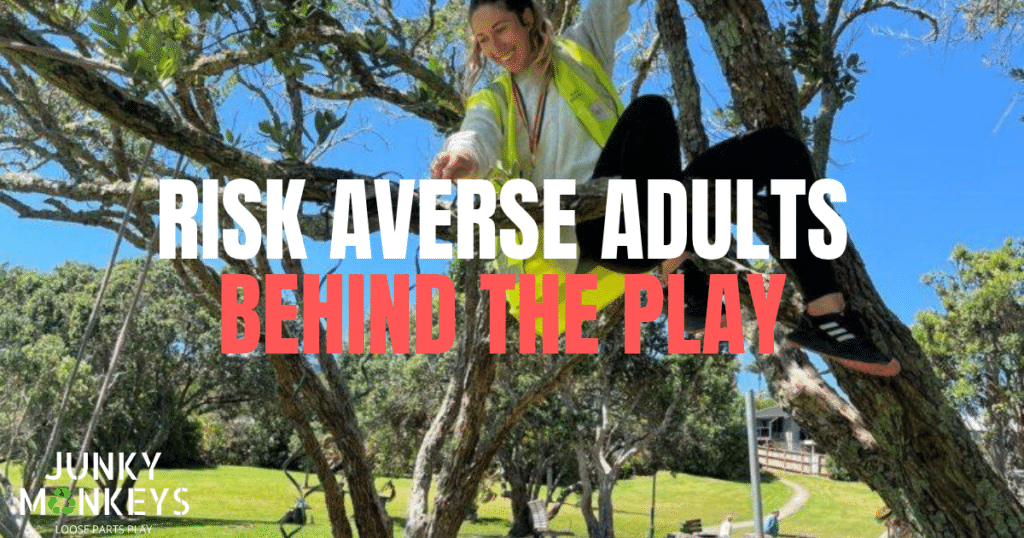
I presented at the IPA conference recently and was asked a simple question at the very end of four days of intense learning:
How do you support principals and adults who are risk averse?
At the time, my brain was fried and I fumbled an answer. This is how I wish I’d answered.
1. Understanding why
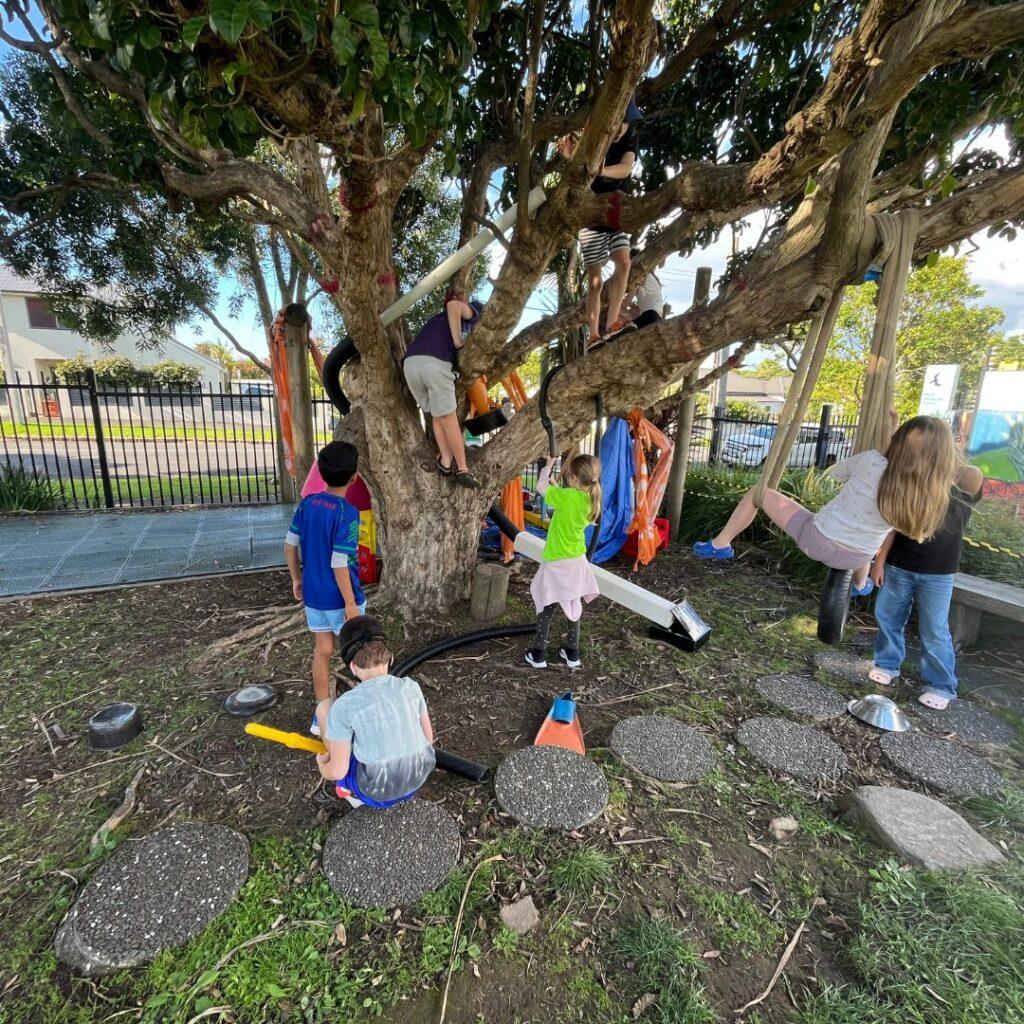
Why does this person feel uncomfortable with risk? Sometimes adults have experienced extreme situations themselves. I remember chatting with a kaiako who was uncomfortable with children climbing trees. I was able to gently ask why, and she shared that she had fallen out of a tree when she was younger and hurt herself badly.
Sometimes watching children take risks can trigger memories and put our nervous systems on high alert. This is no fault of the children in front of them, or even of the adult. But it is definitely a first step in understanding why this person feels uncomfortable with risky play.
2. Forming a connection
Once we understand why, you’ll find that you have much more empathy for their reactions. I’d take a leaf out of my excellent colleague Esta Takuira’s book and ask, “I wonder how else you liked to play when you were a child?” What you are doing here is opening up forms of communication so that a dialogue can happen.
I remember talking to a teacher who was uncomfortable watching another student make a swing. I was able to ask her about how she played when she was younger. She went into great detail about how she and her brother spent hours up trees. She paused and shared, “I would have been way higher than this student is now,” and was then able to self-reflect that maybe she had forgotten what it was like to play and make minor shifts in how she looked at risky play.
3. Making the container safe
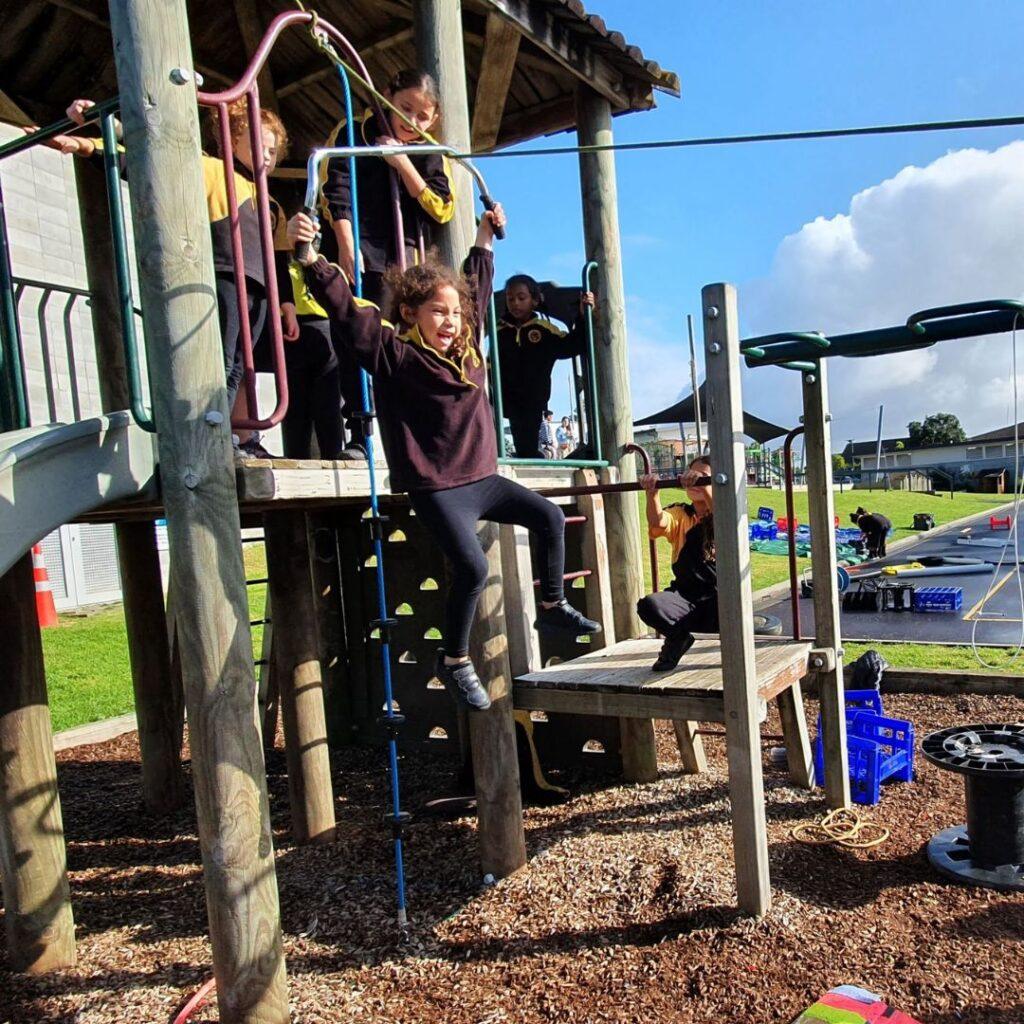
Someone recently described a playworker to me as being similar to a lifeguard on dry land. Like a lifeguard, you are constantly scanning the area, making sure the water is the right temperature, clearing away hazards, and having strong foundations to stand on.
If we want risky play to happen, we need to make sure that the container around it has been well considered and planned for. If the steps above have been made, then now is the right time to reassure risk-averse people by sharing some of your robust health and safety plans.
We always ask schools to start by making a play policy or position statement, stating why and how play is an important part of their school. I recommend co-creating this with your team and including student voice.
Then we recommend that they create a RAMS (Risk Assessment Method Statement) for the play, with some well-thought-out ways to mitigate some of the more generic risks, like what happens if accidents or natural disasters occur.
We then get more specific, having a more site-specific risk–benefit daily hazard form that identifies more site-specific risks, remembering to also highlight the benefits, and sharing ways to mitigate them—for example, rotten branches, or limited shade available.
Finally, you need to make sure you have a plan for supervision of the play, and that the supervisors know all these plans and documents and are well trained in how to enable play. What all of this does is reassure them with the amount of thought, effort, and consideration you have put into making this happen. And if accidents happen—which is inevitable in risky play—you have all these supporting documents behind you about how you have mitigated serious harm and injury.
You can find out more about how to create all these health and safety documents in this blog post.
4. Seeing it in action
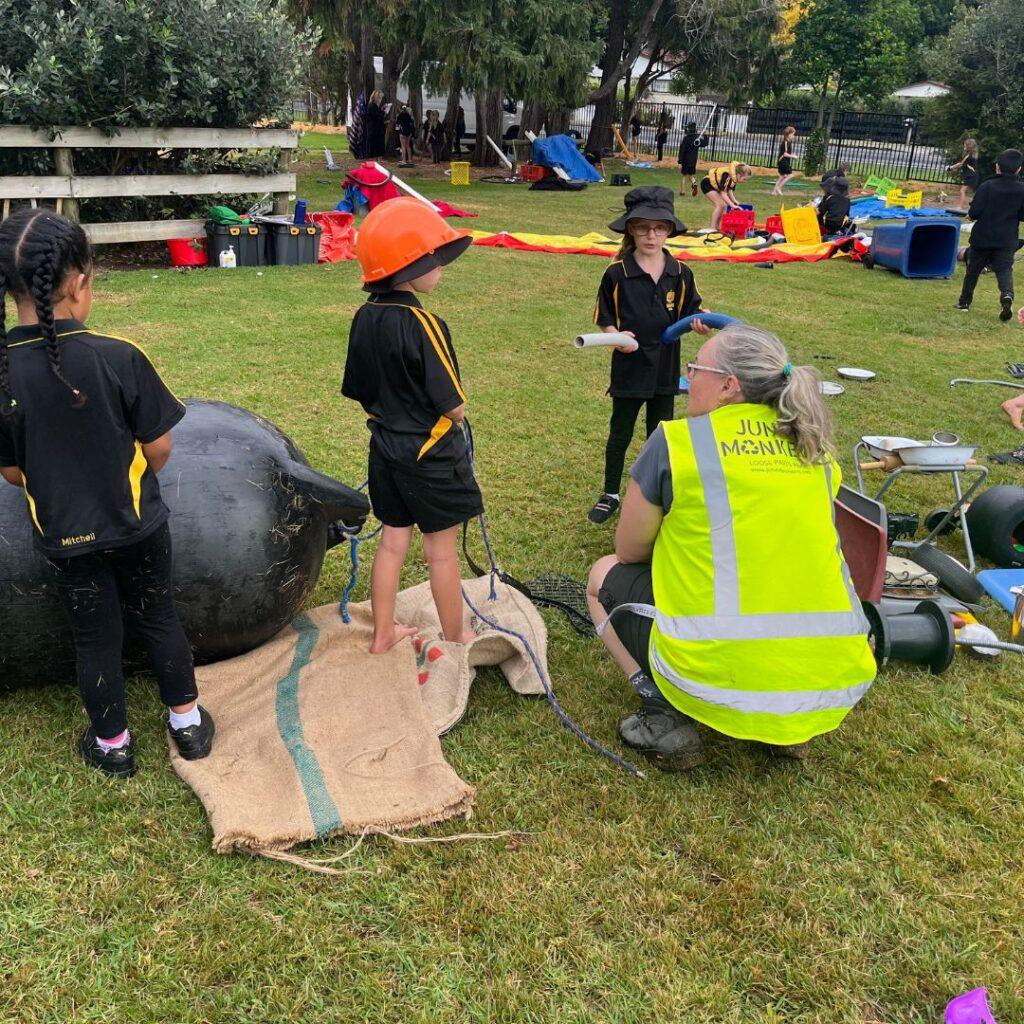
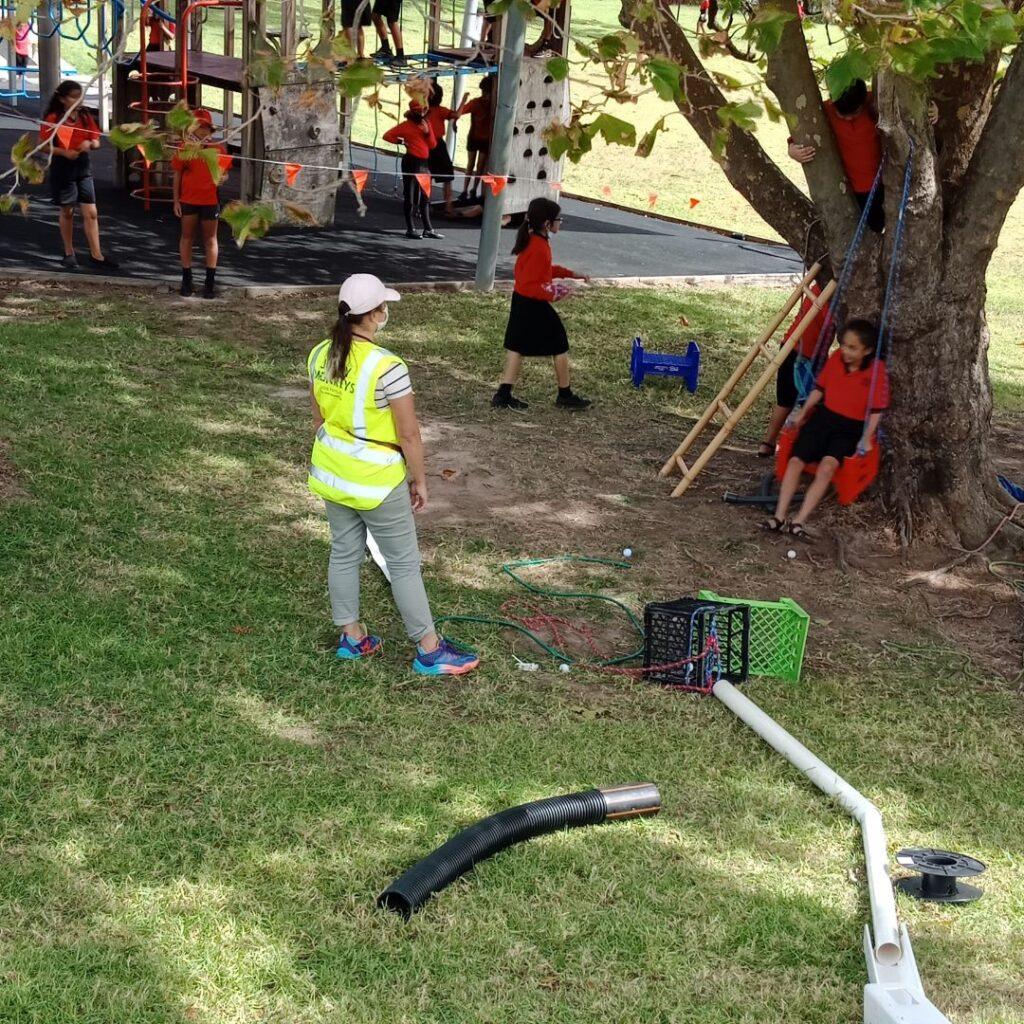
The beauty of our programme is that we have already thought of all these things, and have had years and years of watching risky play unfold. We have rules and expectations for children in the space that they watch before we even arrive. We have expectations for the adults who are supervising, and videos they can watch as a team so everyone is prepared.
We come with experienced playworkers who not only feel comfortable watching risky play unfold, but are also able to hold the space for adults who feel challenged or uncomfortable, and then attempt to have gentle, non-judgemental conversations about the benefits of risky play. These conversations are powerful as they are happening in real time, with real examples in front of them.
That is the beauty of our programme: it is not only a learning opportunity for students. Teachers are learning through observation and modelling as they watch how risky play can be managed.
5. Share some evidence
Some learn from seeing and doing, and some need the theory behind things to reassure them. If this is the case, having two or three research papers that align with your environment and needs, which you can put in front of them, may help matters.
I’ve collated relevant research papers about loose parts play, risky play, and play in Aotearoa in this handy PDF: Academic Research.
6. Finally, listen to tamariki and whānau
Finally, nothing can be more powerful than hearing what students and whānau think about risky play. Try to capture some data about what they say before and after they play.
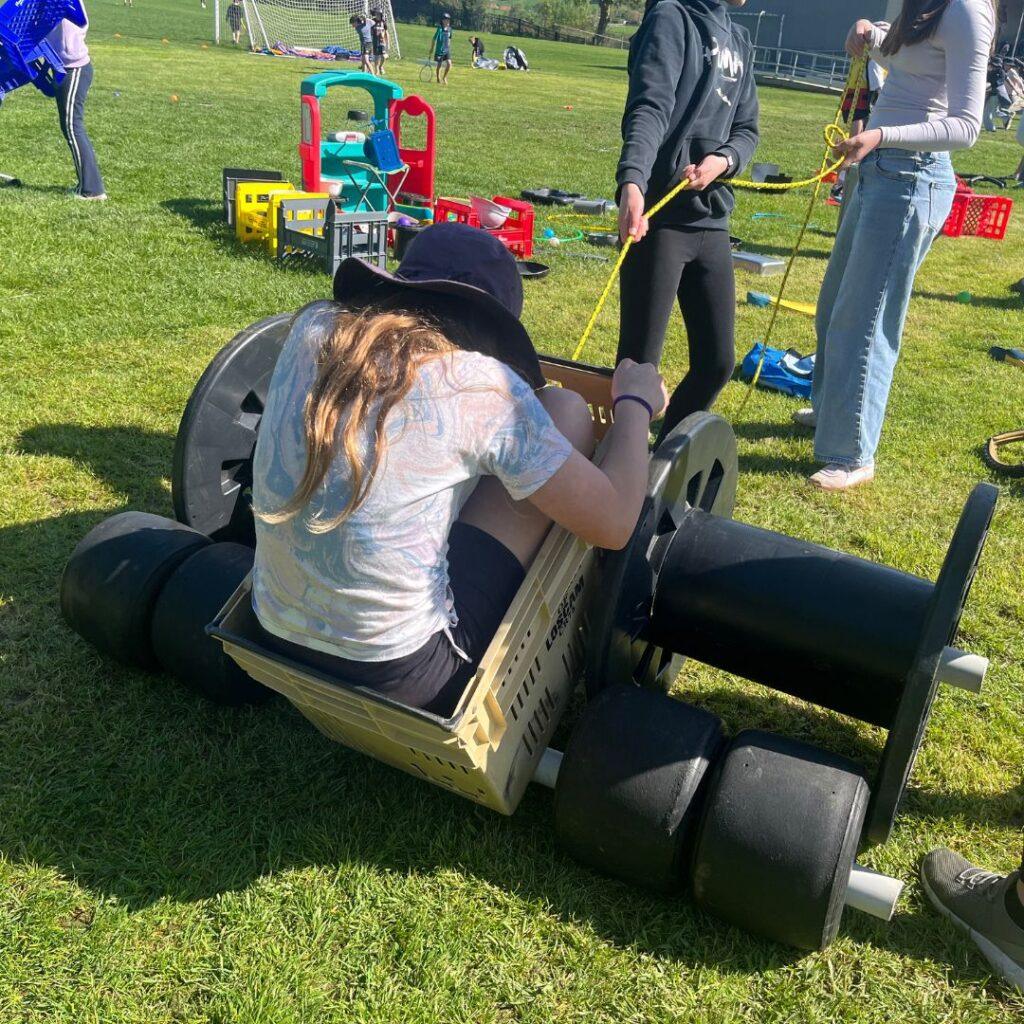
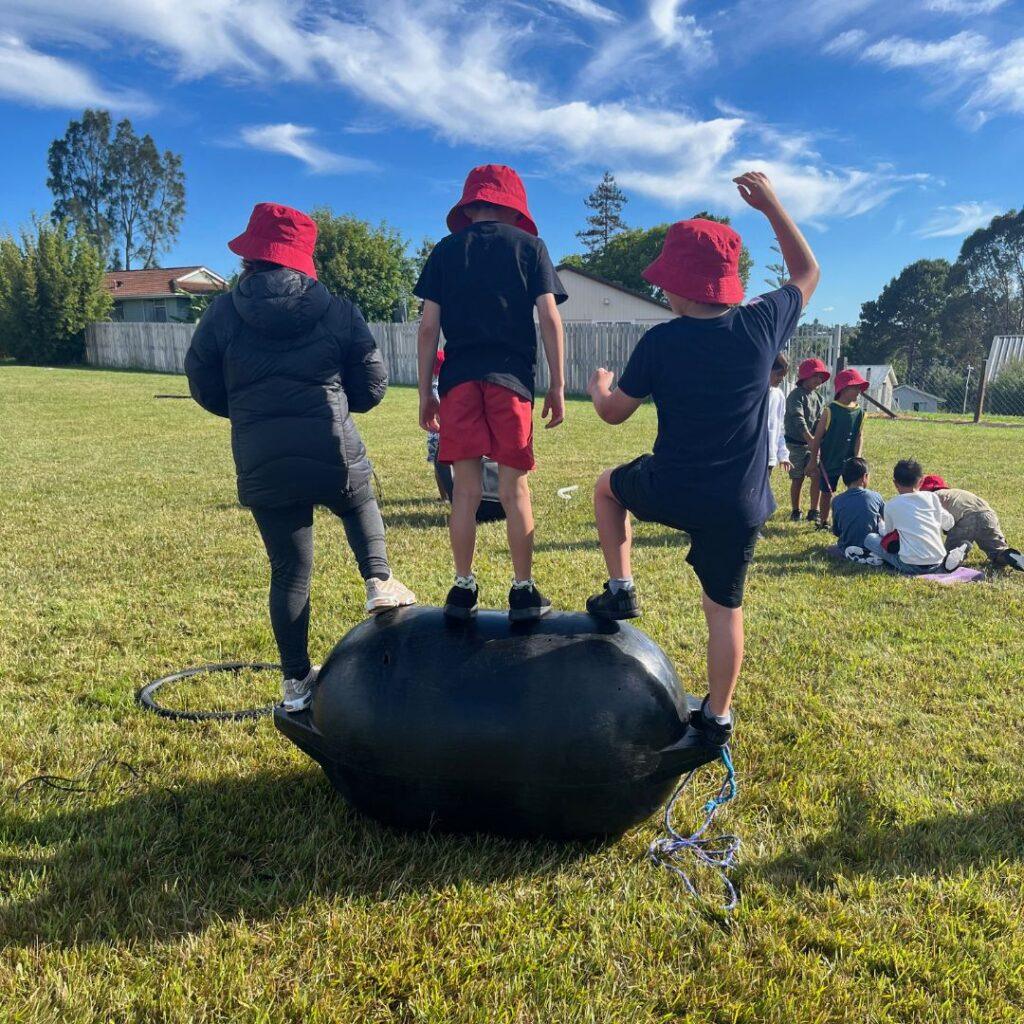
Scott Duncan et al.’s research on this had a surprising outcome: many people see the benefits of risky play but just don’t quite know how to manage it, so the play becomes restricted. (Duncan et al., 2019). When we go into schools, we make time for students to reflect on ‘why was that experience fun?’ and encourage them to continue the discussion back in class. Capturing student voice, sharing pictures, and backing it up with evidence is a powerful way to shift perspectives.
This is a tough one, which is probably why my brain froze at the time. Please reach out if want some more in-depth support.
Reference
Duncan, S., McIvor, L., O’Connor, J., Smith, M., & Fenaughty, J. (2019). A cross-sectional description of parental perceptions and practices related to risky play and independent mobility in children: The New Zealand state of play survey. International Journal of Environmental Research and Public Health, 16(2), 262. https://doi.org/10.3390/ijerph16020262